
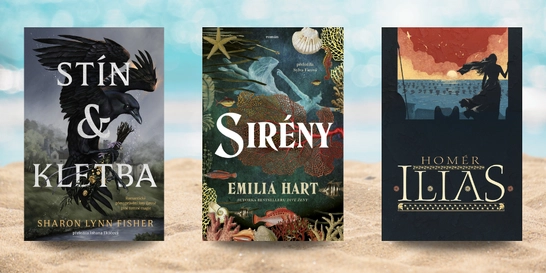
6 červencových novinek, které si přibalit na dovolenou
Slunce svítí, prázdniny jsou v plném proudu a spousta z nás si dopřává...



Kniha ( měkká vazba )


A survey of how Highland society organised its farming communities, exploited its resource base and interacted with its environment from prehistory to 1914There has long been a view that the farming communities to be found in the Highlands prior to the Clearances were archaic forms. The way in which they were organised, the way in which they… Přejít na celý popis

5.0 z 5 hvězdiček
Voucher
5.0 z 5 hvězdiček
Voucher
5.0 z 5 hvězdiček
Voucher
5.0 z 5 hvězdiček
Voucher
A survey of how Highland society organised its farming communities, exploited its resource base and interacted with its environment from prehistory to 1914There has long been a view that the farming communities to be found in the Highlands prior to the Clearances were archaic forms. The way in which they were organised, the way in which they farmed the land and the technologies which they employed were all seen as taking shape during prehistory and then surviving relatively unchanged. Such a view first emerged first during the late nineteenth century and found repeated expression through a number of studies thereafter. However, its entrenchment in the literature was despite the fact that many ongoing studies have highlighted aspects of how the region changed from prehistory onwards. This study confronts this conflict over the question of continuity/discontinuity debate through an analysis of the cultural landscape. Starting with prehistory, it examines the way in which the farming community was organised: its institutional basis, its strategies of resource use and how these impacted on landscape, and the way in which it interacted with the challenges of its environment. It carries these themes forward through the medieval and early modern periods, rounding off the discussion with a substantive review of the gradual spread of commercial sheep farming and the emergence of the crofting townships over the eighteenth and nineteenth centuries. Throughout, it draws out what changed and what was carried forward from each period so that we have a better understanding of the region's dynamic history, as opposed to the ahistorical views that inevitably flow from a stress on cultural inertia. The book provides a one-stop text for the long-term history of the Highland countryside, one nuanced in ways that address topical themes like landscape and environmental change. It synthesises a great deal of work on the Highland farming community during the medieval and early modern periods in terms of its institutional organisation, resource exploitation, landscape impacts and interactions with environment so as to produce an overall review from prehistory down to 1914. Introduces new ideas and arguments that have not been treated or previewed in other published work, such as in chapter 6.Provides the most substantive review of the continuity/discontinuity debate in the Highland landscape currently available
0.0 z 5 0 hodnocení čtenářů
0× 5 hvězdiček 0× 4 hvězdičky 0× 3 hvězdičky 0× 2 hvězdičky 0× 1 hvezdička
Získejte přehled o vývoji ceny za posledních 60 dní.
Slunce svítí, prázdniny jsou v plném proudu a spousta z nás si dopřává...

Pokud vám seriál Heated Rivalry (Spalující rivalita) nedal spát a zhlédli...
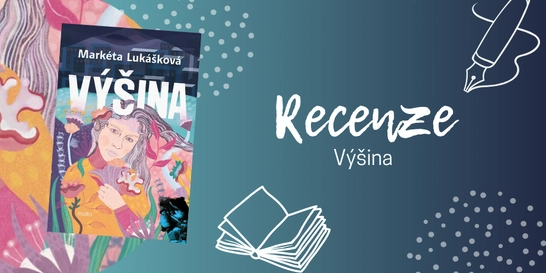
Pokud nevíte, zda sáhnout po „nové Lukáškové“, váš osobní...

Tahle kniha se ke mně původně dostala jen proto, abych ji předala někomu z...

Nestihli jste naše žhavé literární odpoledne na Masarykově nádraží, nebo...
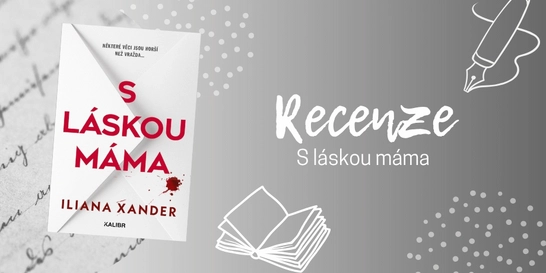
Po dočtení poslední knihy, která byla na můj vkus až příliš...
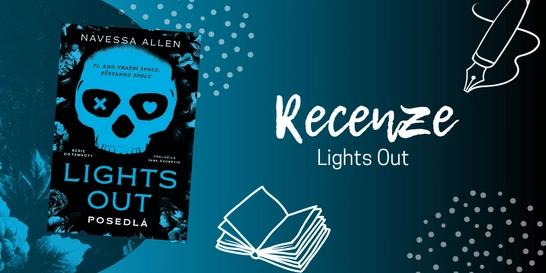
Už jste také někdy spadli do pasti algoritmu sociálních sítí? Znáte to....
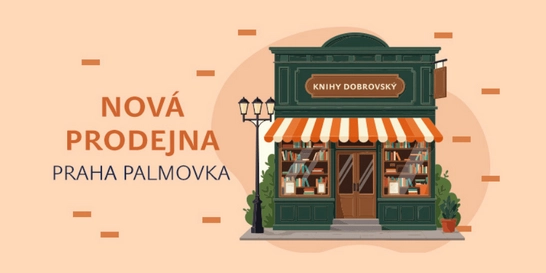
Ne vždycky má člověk chuť vyrážet na nákup do obchodního centra. Někdy...
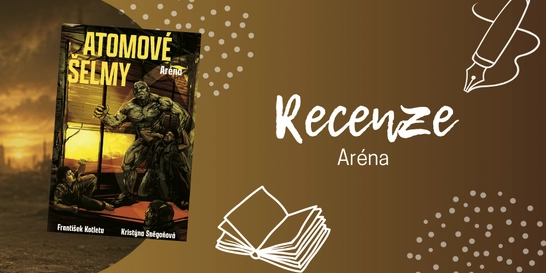
Pokud jste unavení ze všech těch varování, že světu hrozí atomová válka...
Caraval vrcholí!
Tella, Scarlett i Legenda stojí před rozhodnutími, která změní jejich osudy. Ve hře je láska, moc i budoucnost celého království.

Mohlo by vás zajímat
Nová gotická dark romance
Mrtví živé učí. Anatomie hříchu v rukou nebezpečně přitažlivého patologa
Mohlo by vás zajímat
Tři ženy, pět století, jedno tajemství...
Dechberoucí příběh o ženské síle, odhodlání a hlubokém spojení s přírodou.
Mohlo by vás zajímat
Učebnice, co drží krok s dobou.
Nová generace učebnic, která jede podle nejnovějšího RVP, ne podle Windows 95.
Mohlo by vás zajímat
Ať víte, kdy je matika, keramika i posilovna
Rozvrhy, kroužky, poznámky i důležité termíny pěkně pohromadě. Praktický školní kalendář pomůže sladit povinnosti i volný čas bez zbytečného zmatku.
Mohlo by vás zajímat
Rychlejší než blesk!
Rozšiřte svou klasickou sadu o Speed Pack a dodejte vašemu UNO nový život.
Mohlo by vás zajímat
Královna oslavy!
Cleo září ve zlatém outfitu a přináší monstrózní narozeninovou radost. Přidejte ji do své sbírky Monster High a rozjeďte párty!
Mohlo by vás zajímat
Kapitola u bazénu? Klidně.
Vodotěsné provedení vám dovolí číst u vody, na pláži i ve vaně bez zbytečných obav.
Každý měsíc společně přečteme tisíce knih






Tento web je chráněn službou reCAPTCHA a platí pro něj Zásady ochrany soukromí a Smluvní podmínky. | © 2001–2026 DOBROVSKÝ s.r.o. Všechna práva vyhrazena.






 KnihyDobrovsky.cz
 knihydobrovsky
 @knihydobrovskycz
 @knihydobrovsky