
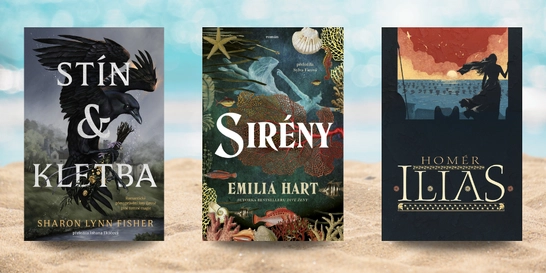
6 červencových novinek, které si přibalit na dovolenou
Slunce svítí, prázdniny jsou v plném proudu a spousta z nás si dopřává...



Kniha ( pevná vazba )


Approaches the history of the Mughal Empire at the level of human experience, through a diverse group of autobiographical narratives. Starting from 1526, the Mughals ruled over much of India for three centuries, perhaps the most important Islamic empire in the early modern world. This period saw the production of a fascinating variety of… Přejít na celý popis

5.0 z 5 hvězdiček
Voucher
5.0 z 5 hvězdiček
Voucher
5.0 z 5 hvězdiček
Voucher
5.0 z 5 hvězdiček
Voucher
Approaches the history of the Mughal Empire at the level of human experience, through a diverse group of autobiographical narratives. Starting from 1526, the Mughals ruled over much of India for three centuries, perhaps the most important Islamic empire in the early modern world. This period saw the production of a fascinating variety of memoirs and autobiographies in which residents of the empire reflected on their own lives, on Islam in a Hindu context, and on the relationship of individual subjects to their new rulers. Those written by Mughal royalty—especially Babur and Jahangir—are well known. This book considers the less well-known writings of diverse others, from the poet laureate Faizi to those who were not part of elite society but a few notches below it, such as the lowly envoy Asad Beg and characters like Mirza Nathan and Abdul Latif, who lived dangerously on the Bengal frontier. Also considered are prolific Hindu writers, such as Bhimsen Saksena and the witty Anand Ram Mukhlis, who lived in Delhi through the turbulent 1730s and 1740s. Together, they offer an original and differently critical perspective on the empire—its religious, social, and political tensions, as well as its strategies for overcoming them. Covering over two centuries of such materials, Mirrors of Empire is a work of cultural history that is also firmly rooted in social history. It incorporates extensive translations from Persian, including materials that are little-known even to historians and specialists, and shows the transformation of the empire from its difficult emergence, to its expansive height, to its phase of disintegration in the middle of the eighteenth century. Gracefully written, the book approaches the Mughal Empire at the level of human experience, rendering it accessible and not a mere abstraction.
0.0 z 5 0 hodnocení čtenářů
0× 5 hvězdiček 0× 4 hvězdičky 0× 3 hvězdičky 0× 2 hvězdičky 0× 1 hvezdička
Získejte přehled o vývoji ceny za posledních 60 dní.
Slunce svítí, prázdniny jsou v plném proudu a spousta z nás si dopřává...

Pokud vám seriál Heated Rivalry (Spalující rivalita) nedal spát a zhlédli...
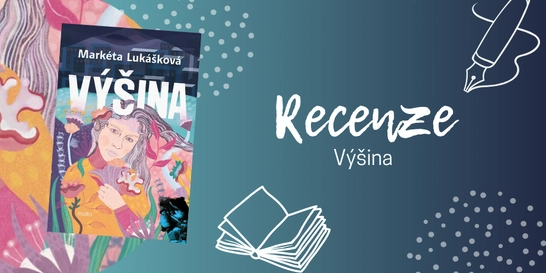
Pokud nevíte, zda sáhnout po „nové Lukáškové“, váš osobní...

Tahle kniha se ke mně původně dostala jen proto, abych ji předala někomu z...

Nestihli jste naše žhavé literární odpoledne na Masarykově nádraží, nebo...
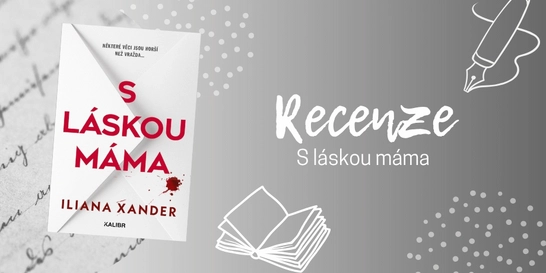
Po dočtení poslední knihy, která byla na můj vkus až příliš...
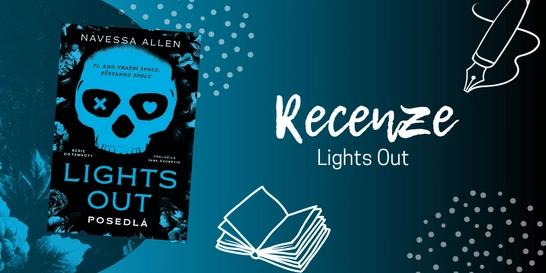
Už jste také někdy spadli do pasti algoritmu sociálních sítí? Znáte to....
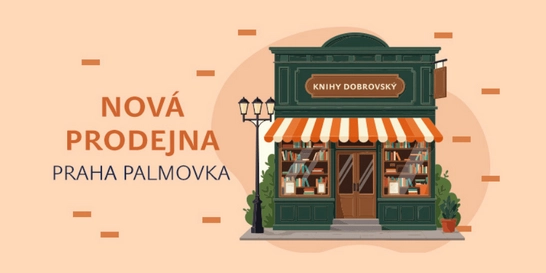
Ne vždycky má člověk chuť vyrážet na nákup do obchodního centra. Někdy...
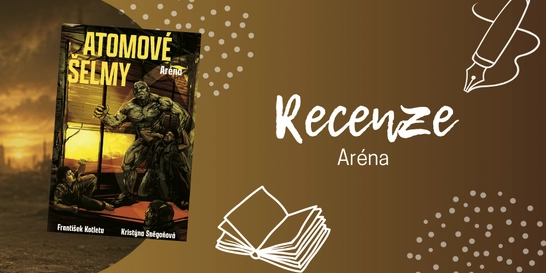
Pokud jste unavení ze všech těch varování, že světu hrozí atomová válka...
Stromová města, rituální vraždy a zakázaná vášeň
Nová romantasy Šárky Przewozné vás vtáhne do světa bohů, proroctví a dávných lží, kde jediná dívka může změnit vše, čemu její rod po generace věřil.

Mohlo by vás zajímat
Nový román Viktorie Hanišové
Když se její otec upálí před Poslaneckou sněmovnou, začne Lada hledat důvody jeho činu.
Mohlo by vás zajímat
Tři ženy, pět století, jedno tajemství...
Dechberoucí příběh o ženské síle, odhodlání a hlubokém spojení s přírodou.
Mohlo by vás zajímat
Učebnice, co drží krok s dobou.
Nová generace učebnic, která jede podle nejnovějšího RVP, ne podle Windows 95.
Mohlo by vás zajímat
Ať víte, kdy je matika, keramika i posilovna
Rozvrhy, kroužky, poznámky i důležité termíny pěkně pohromadě. Praktický školní kalendář pomůže sladit povinnosti i volný čas bez zbytečného zmatku.
Mohlo by vás zajímat
UNO, tvrdší než kdy předtím
Nelítostné karty, brutální postihy, škodolibá radost a taktické bitvy!
Mohlo by vás zajímat
Královna oslavy!
Cleo září ve zlatém outfitu a přináší monstrózní narozeninovou radost. Přidejte ji do své sbírky Monster High a rozjeďte párty!
Mohlo by vás zajímat
Kapitola u bazénu? Klidně.
Vodotěsné provedení vám dovolí číst u vody, na pláži i ve vaně bez zbytečných obav.
Každý měsíc společně přečteme tisíce knih







Tento web je chráněn službou reCAPTCHA a platí pro něj Zásady ochrany soukromí a Smluvní podmínky. | © 2001–2026 DOBROVSKÝ s.r.o. Všechna práva vyhrazena.






 KnihyDobrovsky.cz
 knihydobrovsky
 @knihydobrovskycz
 @knihydobrovsky