


Otevřeli jsme novou prodejnu KNIHY DOBROVSKÝ v Třebíči
Máme dobrou zprávu pro všechny čtenáře z Třebíče a okolí. Nově nás...


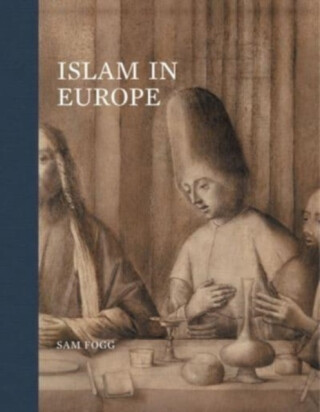
Kniha ( pevná vazba )
990 Kč s DPH
Jsme transparentní


This illuminating exhibition catalogue interrogates the entanglement of the Islamic world with European visual culture during the medieval period and Renaissance, from the 9th century to the end of the 17th. It traces and reveals this interconnectedness through works of art that reflect the intense environment of contact, influence and… Přejít na celý popis


5.0 z 5 hvězdiček
Voucher

5.0 z 5 hvězdiček
Voucher
This illuminating exhibition catalogue interrogates the entanglement of the Islamic world with European visual culture during the medieval period and Renaissance, from the 9th century to the end of the 17th. It traces and reveals this interconnectedness through works of art that reflect the intense environment of contact, influence and exchange which developed over centuries between the two cultures. It also explores the reception of the image of ‘Islam’ in Europe, as highlighted by an important painting of the Supper at Emmaus, painted in the so-called ‘Oriental Mode’ by the Venetian artist Giovanni Mansueti (c. 1465–1527) in the last decade of the 15th century. Islam in Europe presents a survey of artistic production in the medieval Islamic world and the many ways it altered the trajectory of European visual culture. Opening with earlymedieval objects produced by Muslim artisans and known to have been exported in large numbers to medieval Europe, the catalogue explores the crosscurrents of visual culture at the nexus of Islam and Christendom which were already well developed by the 10th century. It continues with artworks produced under the aegis of the Umayyads (711–1031) and later Islamic dynasties which ruled large swathes of the Iberian Peninsula until 1492, and the influence of Islamic rule on the development of a distinctive visual culture in medieval Spain.A central group of objects traces the breathtaking force with which refined export wares from Mamluk Egypt and Syria, Central Asia and Anatolia flooded the Italian market during the 14th to 16th centuries, revolutionizing European aesthetics as well as the taste for (and very definition of) luxury goods. This section of the catalogue includes objects that chart the rise of European textiles, metalwork, ceramics and other arts specifically emulating Islamic designs.The catalogue concludes with a group of important early textiles spanning the 13th to 17th centuries. It explores how and why European artists started to incorporate lavish Ilkhanid silks into their imagery, and how Italian weavers began to imitate both these early imports, and later also Ottoman velvets flooding the market in the 15th century, with voracious appetite. One of the catalogue’s key foci is an important group of rare Anatolian carpets woven between the 15th and 17th centuries and richly imitated both by European painters including Titian and Holbein, and by local weavers vying for control of the market in luxury furnishings.The catalogue presents 60 works of art, which have taken a decade to bring together and are presented in this way for the first time. Together the works elucidate the complete integration of Islamic art and artisanal technology into European visual culture during a period of extraordinary efflorescence. A brief introductory essay explores questions of entanglement in the medieval world and proposes a new lens through which to examine the artistic production of the period. The catalogue closes with a new essay by Michael Franses analyzing the importance of the only firmly dateable ‘Lotto’ Arabesque carpet still in existence, acquired by The David Collection, Copenhagen, in 2022.
0.0 z 5 0 hodnocení čtenářů
0× 5 hvězdiček 0× 4 hvězdičky 0× 3 hvězdičky 0× 2 hvězdičky 0× 1 hvezdička
Získejte přehled o vývoji ceny za posledních 60 dní.
Máme dobrou zprávu pro všechny čtenáře z Třebíče a okolí. Nově nás...
Saving 6 je třetím dílem série Kluci z Tommenu. Je to kniha plná bolesti,...
Máte chuť na audioknihu, ale zrovna se vám nechce rozšiřovat knihovničku o...
Sarah J. Maas nám zase hodila drobeček a fandom má samozřejmě o čem...
Když v roce 2024 vznikalo Dobro.čtení, stálo na jasné myšlence: přinést...
Podzimní čtenářská sezona se pomalu rozjíždí a s ní přichází i náš...
Dominika Dhrožňák svou cestu ke psaní začala už kolem dvanácti let, kdy si...
Letošní podzim bude pro český knižní trh výjimečný. Od 7. do 11. října...
Ano, víme, že je teprve září. Ano, víme, že do Vánoc zbývá ještě...
990 Kč s DPH
Jsme transparentní
Jako jediná přežila masovou sebevraždu sekty, v níž vyrůstala.
O dvacet let později se jí na ostrově začnou vracet stejné sny, které kdysi předpověděly smrt jejích blízkých.
Mohlo by vás zajímat
Co kdyby byla Jane Eyrová čarodějka a Thornfield prokletý?
Nad Thornfieldem visí kletba a Jane Airová může být poslední nadějí na její prolomení. Gotická romantasy inspirovaná Janou Eyrovou plná magie, tajemství a nebezpečí.
Mohlo by vás zajímat
Mohlo by vás zajímat
Legendární atlas v nové generaci
Šesté aktualizované vydání oblíbeného školního atlasu přichází s modernější grafikou a čistším zpracováním. Orientace v mapách je díky tomu přehlednější, intuitivnější a příjemnější pro každodenní školní práci.
Mohlo by vás zajímat
Mohlo by vás zajímat
Z filmové garáže na vaši polici
Hot Wheels Premium 84 MUSTANG SVO do sbírky fanoušků Rychle a zběsile i milovníků výrazných sportovních vozů
Mohlo by vás zajímat
Čtení i poslech v jednom zařízení
PocketBook InkPad 4 zvládne e-knihy, audioknihy i převod textu na mluvené slovo.
Každý měsíc společně přečteme tisíce knih





Tento web je chráněn službou reCAPTCHA a platí pro něj Zásady ochrany soukromí a Smluvní podmínky. | © 2001–2026 DOBROVSKÝ s.r.o. Všechna práva vyhrazena.









 KnihyDobrovsky.cz
 knihydobrovsky
 @knihydobrovskycz
 @knihydobrovsky