
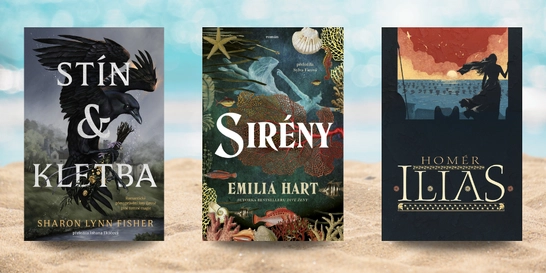
6 červencových novinek, které si přibalit na dovolenou
Slunce svítí, prázdniny jsou v plném proudu a spousta z nás si dopřává...



Kniha ( měkká vazba )


Iconographies of Occupation is the first book to address how the "collaborationist" Reorganized National Government (RNG) in Japanese-occupied China sought to visualize its leader, Wang Jingwei (1883-1944); the Chinese people; and China itself. It explores the ways in which this administration sought to present itself to the people over which… Přejít na celý popis

5.0 z 5 hvězdiček
Voucher
5.0 z 5 hvězdiček
Voucher
5.0 z 5 hvězdiček
Voucher
5.0 z 5 hvězdiček
Voucher
Iconographies of Occupation is the first book to address how the "collaborationist" Reorganized National Government (RNG) in Japanese-occupied China sought to visualize its leader, Wang Jingwei (1883-1944); the Chinese people; and China itself. It explores the ways in which this administration sought to present itself to the people over which it ruled at different points between 1939, when the RNG was first being formulated, and August 1945, when it folded itself out of existence. What sorts of visual tropes were used in regime iconography and how were these used? What can the intertextual movement of visual tropes and motifs tell us about RNG artists and intellectuals and their understanding of the occupation and the war?Drawing on rarely before used archival records relating to propaganda and a range of visual media produced in occupied China by the RNG, the book examines the means used by this "client regime" to carve out a separate visual space for itself by reviving prewar Chinese methods of iconography and by adopting techniques, symbols, and visual tropes from the occupying Japanese and their allies. Ultimately, however, the "occupied gaze" that was developed by Wang’s administration was undermined by its ultimate reliance on Japanese acquiescence for survival. In the continually shifting and fragmented iconographies that the RNG developed over the course of its short existence, we find an administration that was never completely in control of its own fate—or its message. Iconographies of Occupation presents a thoroughly original visual history approach to the study of a much-maligned regime and opens up new ways of understanding its place in wartime China. It also brings China under the RNG into dialogue with broader theoretical debates about the significance of "the visual" in the cultural politics of foreign occupation.
0.0 z 5 0 hodnocení čtenářů
0× 5 hvězdiček 0× 4 hvězdičky 0× 3 hvězdičky 0× 2 hvězdičky 0× 1 hvezdička
Získejte přehled o vývoji ceny za posledních 60 dní.
Slunce svítí, prázdniny jsou v plném proudu a spousta z nás si dopřává...

Pokud vám seriál Heated Rivalry (Spalující rivalita) nedal spát a zhlédli...
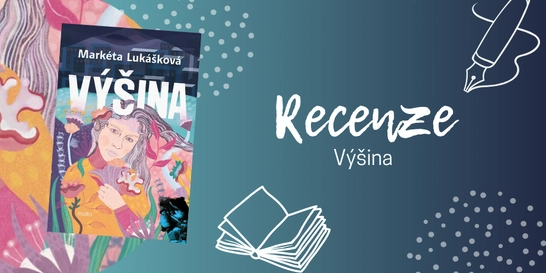
Pokud nevíte, zda sáhnout po „nové Lukáškové“, váš osobní...

Tahle kniha se ke mně původně dostala jen proto, abych ji předala někomu z...

Nestihli jste naše žhavé literární odpoledne na Masarykově nádraží, nebo...
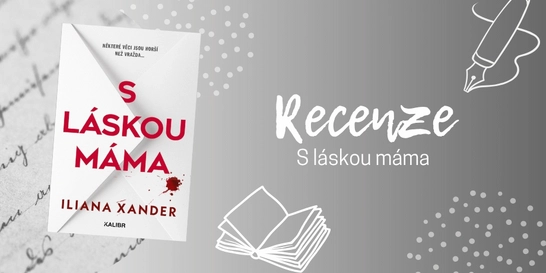
Po dočtení poslední knihy, která byla na můj vkus až příliš...
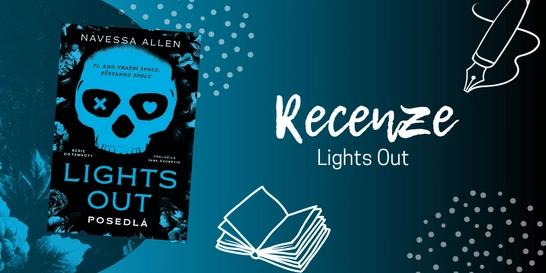
Už jste také někdy spadli do pasti algoritmu sociálních sítí? Znáte to....
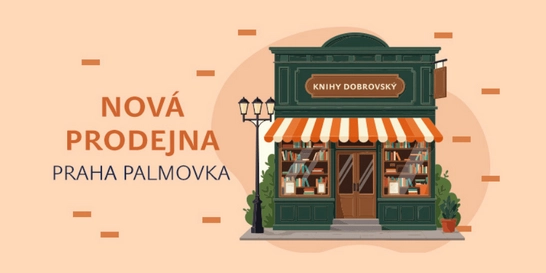
Ne vždycky má člověk chuť vyrážet na nákup do obchodního centra. Někdy...
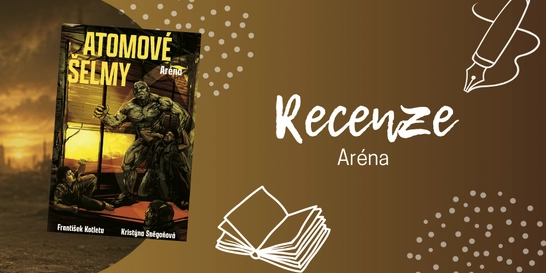
Pokud jste unavení ze všech těch varování, že světu hrozí atomová válka...
Stromová města, rituální vraždy a zakázaná vášeň
Nová romantasy Šárky Przewozné vás vtáhne do světa bohů, proroctví a dávných lží, kde jediná dívka může změnit vše, čemu její rod po generace věřil.

Mohlo by vás zajímat
Caraval vrcholí!
Tella, Scarlett i Legenda stojí před rozhodnutími, která změní jejich osudy. Ve hře je láska, moc i budoucnost celého království.
Mohlo by vás zajímat
Tři ženy, pět století, jedno tajemství...
Dechberoucí příběh o ženské síle, odhodlání a hlubokém spojení s přírodou.
Mohlo by vás zajímat
Hola, amigo!
Seznamte se s Eliškou, Hugem a sovou Listillo – a objevte španělštinu s úsměvem.
Mohlo by vás zajímat
Ať víte, kdy je matika, keramika i posilovna
Rozvrhy, kroužky, poznámky i důležité termíny pěkně pohromadě. Praktický školní kalendář pomůže sladit povinnosti i volný čas bez zbytečného zmatku.
Mohlo by vás zajímat
UNO, tvrdší než kdy předtím
Nelítostné karty, brutální postihy, škodolibá radost a taktické bitvy!
Mohlo by vás zajímat
Královna oslavy!
Cleo září ve zlatém outfitu a přináší monstrózní narozeninovou radost. Přidejte ji do své sbírky Monster High a rozjeďte párty!
Mohlo by vás zajímat
Kapitola u bazénu? Klidně.
Vodotěsné provedení vám dovolí číst u vody, na pláži i ve vaně bez zbytečných obav.
Každý měsíc společně přečteme tisíce knih






Tento web je chráněn službou reCAPTCHA a platí pro něj Zásady ochrany soukromí a Smluvní podmínky. | © 2001–2026 DOBROVSKÝ s.r.o. Všechna práva vyhrazena.






 KnihyDobrovsky.cz
 knihydobrovsky
 @knihydobrovskycz
 @knihydobrovsky