
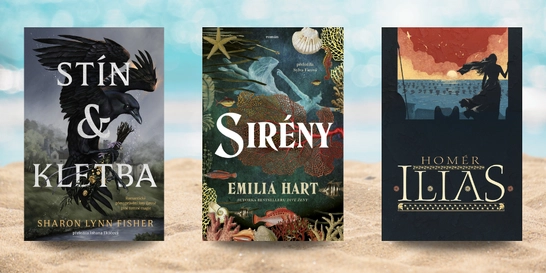
6 červencových novinek, které si přibalit na dovolenou
Slunce svítí, prázdniny jsou v plném proudu a spousta z nás si dopřává...



Kniha ( pevná vazba )


In Hume's Radical Scepticism, Janet Broughton parts ways with current scholars who see Hume primarily as a naturalist philosopher pursuing the "science of man." Instead, she argues, Hume is a radical sceptic. Attending to Hume's literary strategies in A Treatise of Human Nature, she uncovers the philosophical significance of narration, irony,… Přejít na celý popis

5.0 z 5 hvězdiček
Voucher
5.0 z 5 hvězdiček
Voucher
5.0 z 5 hvězdiček
Voucher
5.0 z 5 hvězdiček
Voucher
In Hume's Radical Scepticism, Janet Broughton parts ways with current scholars who see Hume primarily as a naturalist philosopher pursuing the "science of man." Instead, she argues, Hume is a radical sceptic. Attending to Hume's literary strategies in A Treatise of Human Nature, she uncovers the philosophical significance of narration, irony, and what she calls "subjectivizing."Broughton begins by tracking two broad features of Hume's investigations. One is the status of the commonsense assumption that we have a large body of justified and true beliefs about the world around us. The other is the status of the cognitive norms of clarity, consistency, and evidence. She argues that Hume cedes great authority to the commonsense assumption and does not challenge it in the first three parts of the Treatise's first book. The negative arguments of those parts, she contends, are deflationary in character, not sceptical. But Broughton also argues that in Part 4, where Hume examines our beliefs in the world of physical objects, his unwavering adherence to the cognitive norms forces him to reject the commonsense assumption. Still, how could Hume maintain that we have no good reason for making the commonsense assumption that we all make about the world? The view seems untenable for any sane person, and it seems especially untenable for Hume, who goes on to make many claims about the world as he investigates the passions and morals in Books Two and Three of the Treatise. Here is where Broughton's attention to the literary features of Hume's work comes to the fore. It enables her to describe an attitude of ironic detachment that, she argues, permeates his commitment to the truth of scepticism. In this exciting new book, Broughton offers a brand new way to interpret one of the most important figures in the history of philosophy.
0.0 z 5 0 hodnocení čtenářů
0× 5 hvězdiček 0× 4 hvězdičky 0× 3 hvězdičky 0× 2 hvězdičky 0× 1 hvezdička
Získejte přehled o vývoji ceny za posledních 60 dní.
Slunce svítí, prázdniny jsou v plném proudu a spousta z nás si dopřává...

Pokud vám seriál Heated Rivalry (Spalující rivalita) nedal spát a zhlédli...
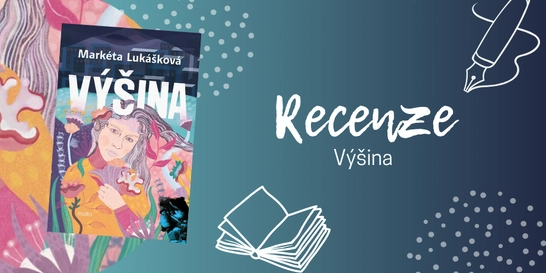
Pokud nevíte, zda sáhnout po „nové Lukáškové“, váš osobní...

Tahle kniha se ke mně původně dostala jen proto, abych ji předala někomu z...
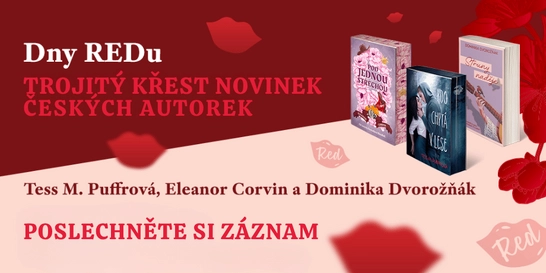
Nestihli jste naše žhavé literární odpoledne na Masarykově nádraží, nebo...
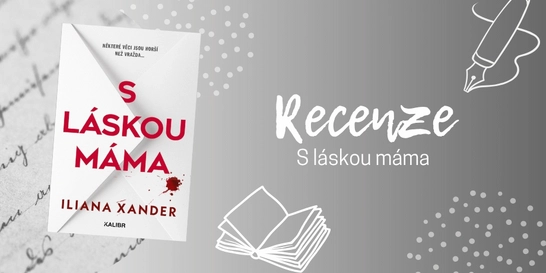
Po dočtení poslední knihy, která byla na můj vkus až příliš...
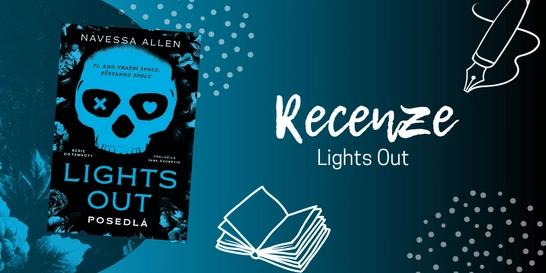
Už jste také někdy spadli do pasti algoritmu sociálních sítí? Znáte to....
Ne vždycky má člověk chuť vyrážet na nákup do obchodního centra. Někdy...
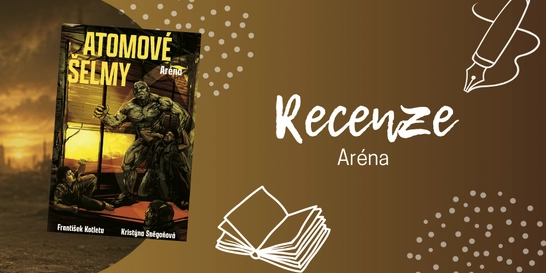
Pokud jste unavení ze všech těch varování, že světu hrozí atomová válka...
Od autorky bestselleru Divé ženy
Román, který vás zavede na větrný australský útes, do městečka opředeného legendami a mezi ženy, jejichž příběhy měly zůstat navždy zapomenuty.

Mohlo by vás zajímat
Nový román Viktorie Hanišové
Když se její otec upálí před Poslaneckou sněmovnou, začne Lada hledat důvody jeho činu.
Mohlo by vás zajímat
Nová temná romance od Tess M. Puffrové
Měl to být nový začátek. Místo toho ji čeká nebezpečně přitažlivý student, stalking a les plný tajemství, která se neměla dostat ven.
Mohlo by vás zajímat
Učebnice, co drží krok s dobou.
Nová generace učebnic, která jede podle nejnovějšího RVP, ne podle Windows 95.
Mohlo by vás zajímat
Modrá klasika do každé aktovky
Žádné zbytečné kouzlení, jen poctivý sešit pro každodenní psaní.
Mohlo by vás zajímat
UNO, tvrdší než kdy předtím
Nelítostné karty, brutální postihy, škodolibá radost a taktické bitvy!
Mohlo by vás zajímat
Mohlo by vás zajímat
Malý kousek galerie na knížky, drobnosti i menší nákup
Plátěná taška Paperblanks Natsu díky pevné bavlněné látce unese až 7 kg.
Každý měsíc společně přečteme tisíce knih





Tento web je chráněn službou reCAPTCHA a platí pro něj Zásady ochrany soukromí a Smluvní podmínky. | © 2001–2026 DOBROVSKÝ s.r.o. Všechna práva vyhrazena.






 KnihyDobrovsky.cz
 knihydobrovsky
 @knihydobrovskycz
 @knihydobrovsky