
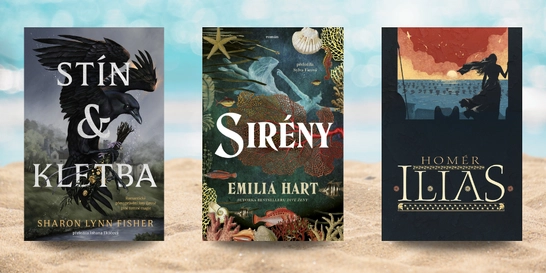
6 červencových novinek, které si přibalit na dovolenou
Slunce svítí, prázdniny jsou v plném proudu a spousta z nás si dopřává...



Kniha ( pevná vazba )


"In Fourth Generation Evaluation, Guba and Lincoln present a strong, unequivocal argument for the epistemological, methodological, and ethical superiority of their refined constructivist inquiry paradigm for the political and practical demands of program evaluation." --Jennifer Greene, Cornell University "I would warmly recommend it as… Přejít na celý popis

5.0 z 5 hvězdiček
Voucher
5.0 z 5 hvězdiček
Voucher
5.0 z 5 hvězdiček
Voucher
5.0 z 5 hvězdiček
Voucher
"In Fourth Generation Evaluation, Guba and Lincoln present a strong, unequivocal argument for the epistemological, methodological, and ethical superiority of their refined constructivist inquiry paradigm for the political and practical demands of program evaluation."
--Jennifer Greene, Cornell University
"I would warmly recommend it as stimulating and challenging reading."
--Systems Practice
"I consider Fourth Generation Evaluation to be an exceptionally daring and insightful book. It has done more than most books to further loosen the grip of liberal, instrumental ′′common sense′′ (i.e., ideology) that has constricted the field of evaluation for the past 30 years. The book′s idealism is energizing and must only be matched, as the authors certainly know, by yet more hard-headed analysis. Its radical ambitions are inspiring if not always apparently achievable. However, fair is fair: radical ends demand radical means."
--Evaluation Practice
Fourth Generation Evaluation represents a monumental shift in evaluation practice. Guba and Lincoln point to the inherent problems faced by previous generations of evaluators--politics, ethical dilemmas, imperfections and gaps, inconclusive deductions--and lay the blame for failure and nonutilization at the feet of the unquestioned reliance on the scientific/positivist paradigm of research. Fourth Generation Evaluation, a more informed and sophisticated approach, moves beyond science to include the myriad human, political, social, cultural, and contextual elements that are involved. Based upon relativism, a unity between knower and known, and a subjective epistemology, the authors show how fourth generation evaluation unites the evaluator and the stakeholders in an interaction that creates the product of the evaluation. Differing from previously existing generations, this new approach moves evaluation to a new level, whose key dynamic is negotiation. The constructivist paradigm is espoused by the authors and shown to offer multiple advantages, including empowerment and enfranchisement of stakeholders, as well as an action orientation that defines a course to be followed. Not merely a treatise on evaluation theory, Guba and Lincoln also comprehensively describe the differences between the positivist and constructivist paradigms of research, and provide a practical plan of the steps and processes in conducting a fourth generation evaluation.
This is a book that no evaluator can afford to ignore and an important advance in the study of applied research.
0.0 z 5 0 hodnocení čtenářů
0× 5 hvězdiček 0× 4 hvězdičky 0× 3 hvězdičky 0× 2 hvězdičky 0× 1 hvezdička
Získejte přehled o vývoji ceny za posledních 60 dní.
Slunce svítí, prázdniny jsou v plném proudu a spousta z nás si dopřává...

Pokud vám seriál Heated Rivalry (Spalující rivalita) nedal spát a zhlédli...

Pokud nevíte, zda sáhnout po „nové Lukáškové“, váš osobní...

Tahle kniha se ke mně původně dostala jen proto, abych ji předala někomu z...

Nestihli jste naše žhavé literární odpoledne na Masarykově nádraží, nebo...
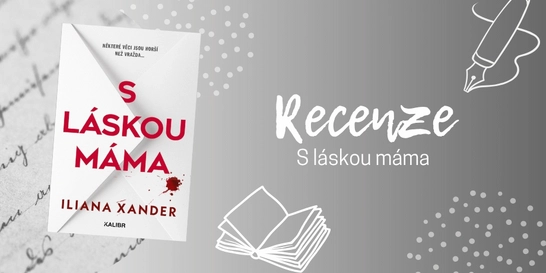
Po dočtení poslední knihy, která byla na můj vkus až příliš...
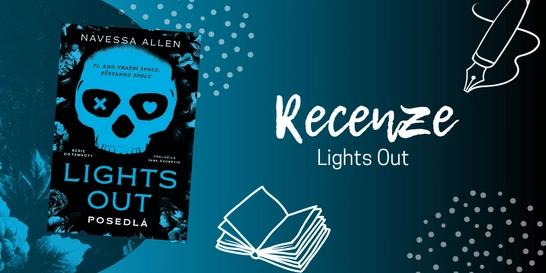
Už jste také někdy spadli do pasti algoritmu sociálních sítí? Znáte to....

Ne vždycky má člověk chuť vyrážet na nákup do obchodního centra. Někdy...
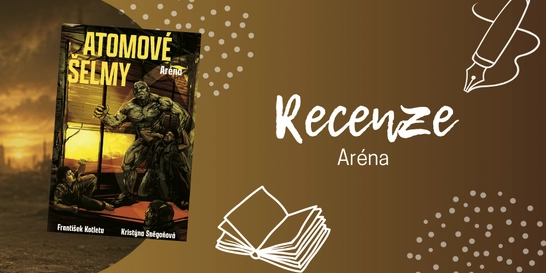
Pokud jste unavení ze všech těch varování, že světu hrozí atomová válka...
Léto na ranči měl být útěk od problémů..
Místo klidu ji čeká přitažlivý šerif, stará tajemství a pocit, že ji někdo sleduje.

Mohlo by vás zajímat
Caraval vrcholí!
Tella, Scarlett i Legenda stojí před rozhodnutími, která změní jejich osudy. Ve hře je láska, moc i budoucnost celého království.
Mohlo by vás zajímat
Tři ženy, pět století, jedno tajemství...
Dechberoucí příběh o ženské síle, odhodlání a hlubokém spojení s přírodou.
Mohlo by vás zajímat
Matika, co počítá s budoucností.
Učebnice, která propojuje čísla, logiku i technologie. Protože i vzorce jdou s dobou.
Mohlo by vás zajímat
Modrá klasika do každé aktovky
Žádné zbytečné kouzlení, jen poctivý sešit pro každodenní psaní.
Mohlo by vás zajímat
Rychlejší než blesk!
Rozšiřte svou klasickou sadu o Speed Pack a dodejte vašemu UNO nový život.
Mohlo by vás zajímat
Královna oslavy!
Cleo září ve zlatém outfitu a přináší monstrózní narozeninovou radost. Přidejte ji do své sbírky Monster High a rozjeďte párty!
Mohlo by vás zajímat
Kapitola u bazénu? Klidně.
Vodotěsné provedení vám dovolí číst u vody, na pláži i ve vaně bez zbytečných obav.
Každý měsíc společně přečteme tisíce knih






Tento web je chráněn službou reCAPTCHA a platí pro něj Zásady ochrany soukromí a Smluvní podmínky. | © 2001–2026 DOBROVSKÝ s.r.o. Všechna práva vyhrazena.






 KnihyDobrovsky.cz
 knihydobrovsky
 @knihydobrovskycz
 @knihydobrovsky