

6 červencových novinek, které si přibalit na dovolenou
Slunce svítí, prázdniny jsou v plném proudu a spousta z nás si dopřává...



Kniha ( měkká vazba )
4 785 Kč s DPH
Jsme transparentní


This project was initiated in response to the establishment of mercury TMDLs around the country and issues raised by this process, specifically concerning the issue of mercury bioavailability. While many TMDLs recognize that point sources constitute a small fraction of the mercury load to a water body, a question has been raised concerning the… Přejít na celý popis

5.0 z 5 hvězdiček
Voucher
5.0 z 5 hvězdiček
Voucher
5.0 z 5 hvězdiček
Voucher
5.0 z 5 hvězdiček
Voucher
This project was initiated in response to the establishment of mercury TMDLs around the country and issues raised by this process, specifically concerning the issue of mercury bioavailability. While many TMDLs recognize that point sources constitute a small fraction of the mercury load to a water body, a question has been raised concerning the relative bioavailability of mercury coming from various sources. For instance, is the mercury discharged from a wastewater treatment plant more or less bioavailable than mercury in precipitation, mercury in urban stormwater, or mercury in sediments? This project seeks to address this question by developing a reliable definition and approach to estimating bioavailability, by profiling various sources of mercury in a watershed with regard to the species of mercury present and by profiling those factors or conditions in either the effluent or the receiving water that enhance or mitigate the bioavailability of those forms. The report consists of two volumes. Volume I is a background document for evaluating the biovailability of mercury in wastewater effluents and receiving waters and establishes relevant project objectives. Volume II is a guidance document for wastewater treatment professionals interested in assessing the bioavailability of mercury in their wastewater, comparing it to other sources, and assessing changes in bioavailability in their effluent when it is mixed in a receiving water body. The project concludes that, based on available data and bioavailability as defined in this report, wastewater effluent is one of the lowest among the sources evaluated with respect to mercury bioavailability due to its typically low levels of methylmercury. Due to their typically low levels of suspended solids, wastewater treatment plants employing post-secondary treatment should not contribute appreciably to local sediment mercury burdens.
0.0 z 5 0 hodnocení čtenářů
0× 5 hvězdiček 0× 4 hvězdičky 0× 3 hvězdičky 0× 2 hvězdičky 0× 1 hvezdička
Získejte přehled o vývoji ceny za posledních 60 dní.
Slunce svítí, prázdniny jsou v plném proudu a spousta z nás si dopřává...

Pokud vám seriál Heated Rivalry (Spalující rivalita) nedal spát a zhlédli...
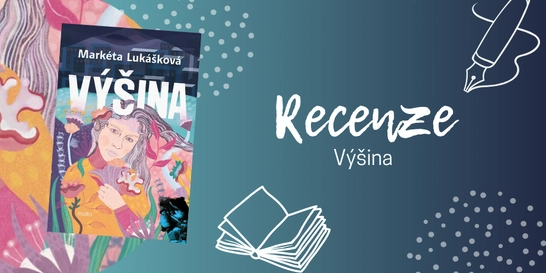
Pokud nevíte, zda sáhnout po „nové Lukáškové“, váš osobní...

Tahle kniha se ke mně původně dostala jen proto, abych ji předala někomu z...
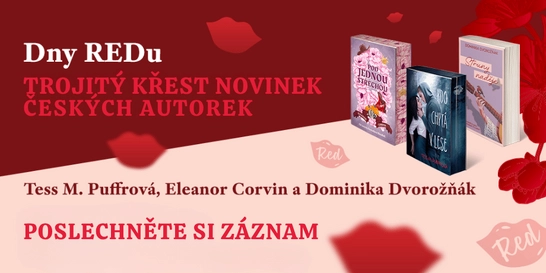
Nestihli jste naše žhavé literární odpoledne na Masarykově nádraží, nebo...
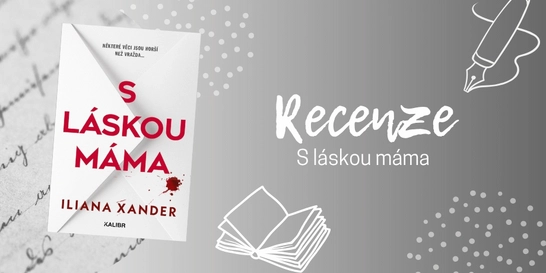
Po dočtení poslední knihy, která byla na můj vkus až příliš...
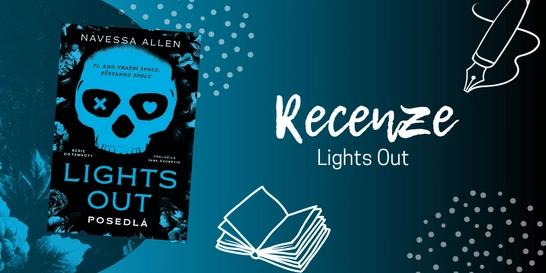
Už jste také někdy spadli do pasti algoritmu sociálních sítí? Znáte to....
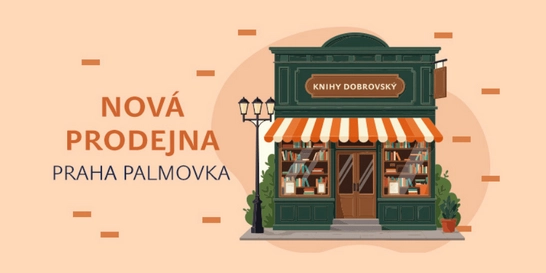
Ne vždycky má člověk chuť vyrážet na nákup do obchodního centra. Někdy...

Pokud jste unavení ze všech těch varování, že světu hrozí atomová válka...
4 785 Kč s DPH
Jsme transparentní
Toužil po klidu, ale čeká ho pořádný cirkus
Co se stane, když vražedná cirkusačka skončí v péči pohledného chirurga Fionna Kanea. Vyléčí kromě její zlomené nohy i své zlomené srdce?

Mohlo by vás zajímat
Zběsilá postapo jízda pokračuje
Hřbitov není místo pro slabé povahy ani pro romantické procházky za soumraku. Postapo nářez plný mutací, šílenství a bohů, kteří možná nikdy neměli být probuzeni.
Mohlo by vás zajímat
Zběsilý postapo svět. Tvrdá pravidla.
Druhý díl, který přitvrzuje. Sněgoňová & Kotleta servírují Arénu, kde přežijí jen ti nejtvrdší. Ostatní skončí jako krmivo.
Mohlo by vás zajímat
Hola, amigo!
Seznamte se s Eliškou, Hugem a sovou Listillo – a objevte španělštinu s úsměvem.
Mohlo by vás zajímat
Ať víte, kdy je matika, keramika i posilovna
Rozvrhy, kroužky, poznámky i důležité termíny pěkně pohromadě. Praktický školní kalendář pomůže sladit povinnosti i volný čas bez zbytečného zmatku.
Mohlo by vás zajímat
Rychlejší než blesk!
Rozšiřte svou klasickou sadu o Speed Pack a dodejte vašemu UNO nový život.
Mohlo by vás zajímat
Mohlo by vás zajímat
Malý kousek galerie na knížky, drobnosti i menší nákup
Plátěná taška Paperblanks Natsu díky pevné bavlněné látce unese až 7 kg.
Každý měsíc společně přečteme tisíce knih




Tento web je chráněn službou reCAPTCHA a platí pro něj Zásady ochrany soukromí a Smluvní podmínky. | © 2001–2026 DOBROVSKÝ s.r.o. Všechna práva vyhrazena.






 KnihyDobrovsky.cz
 knihydobrovsky
 @knihydobrovskycz
 @knihydobrovsky