
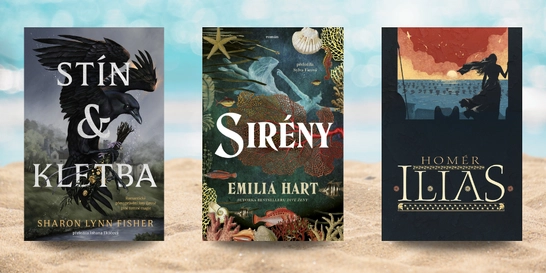
6 červencových novinek, které si přibalit na dovolenou
Slunce svítí, prázdniny jsou v plném proudu a spousta z nás si dopřává...



Kniha ( pevná vazba )


The writings of three early modern Jewish historians highlight the divided allegiances of a Jewish diaspora living in and between the Spanish and Ottoman empires In 1492, the year that marked the start of Spain's transatlantic expansion, the Spanish monarchs expelled their Jewish subjects and triggered a mass Jewish migration to the lands of… Přejít na celý popis

5.0 z 5 hvězdiček
Voucher
5.0 z 5 hvězdiček
Voucher
5.0 z 5 hvězdiček
Voucher
5.0 z 5 hvězdiček
Voucher
The writings of three early modern Jewish historians highlight the divided allegiances of a Jewish diaspora living in and between the Spanish and Ottoman empires In 1492, the year that marked the start of Spain's transatlantic expansion, the Spanish monarchs expelled their Jewish subjects and triggered a mass Jewish migration to the lands of the Ottoman empire. But while the rise of these rival empires had tremendous impact on the Jewish population's geography, the historical accounts of contemporary Jews have remained peripheral to the study of early modern imperialism. In Empire from the Margins, Martin Jacobs seeks to understand how the history of empires appears through the lens of marginalized communities and to explore how Jews responded to Spanish and Ottoman imperial expansion. He approaches this history through the Hebrew chronicles of three sixteenth- and seventeenth-century Jewish authors. Elijah Capsali of Crete, Joseph ha-Kohen of Genoa, and Joseph Sambari of Cairo all lived in early modern hubs with global connections, and—in unusual detail for premodern Jewish historians—they described how the Spanish and Ottoman empires redrew the political, cultural, and religious map of the Mediterranean region while simultaneously transforming the transatlantic world. As Jews, these writers belonged to an ethno-religious minority within the Mediterranean basin where the Spanish and Ottoman empires were centered, and from here they expressed marginalized views on the Spanish and Ottoman regimes. At the same time, these Jewish authors belonged to Jewish networks that transcended imperial boundaries, and they voiced conflicting loyalties between different authorities and cultures. And Jacobs shows that, in writing about the Spanish and Ottoman expansion, these authors also grappled with the Jews' precarious position in their host societies and their own multilayered identities. Their shifting positionalities illuminate the divided allegiances of a Jewish diaspora living in and between competing empires.
0.0 z 5 0 hodnocení čtenářů
0× 5 hvězdiček 0× 4 hvězdičky 0× 3 hvězdičky 0× 2 hvězdičky 0× 1 hvezdička
Získejte přehled o vývoji ceny za posledních 60 dní.
Slunce svítí, prázdniny jsou v plném proudu a spousta z nás si dopřává...

Pokud vám seriál Heated Rivalry (Spalující rivalita) nedal spát a zhlédli...
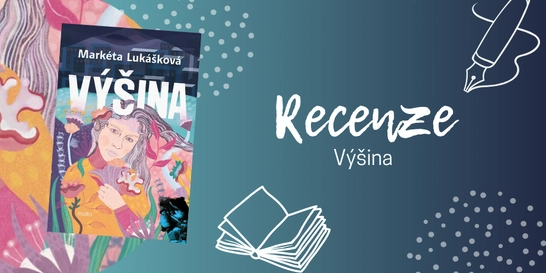
Pokud nevíte, zda sáhnout po „nové Lukáškové“, váš osobní...

Tahle kniha se ke mně původně dostala jen proto, abych ji předala někomu z...

Nestihli jste naše žhavé literární odpoledne na Masarykově nádraží, nebo...
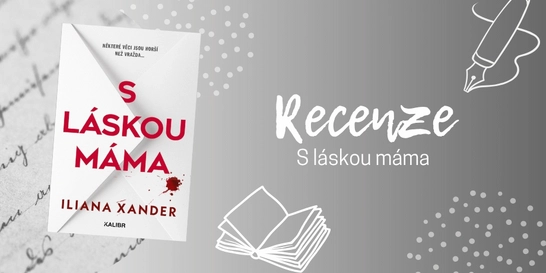
Po dočtení poslední knihy, která byla na můj vkus až příliš...
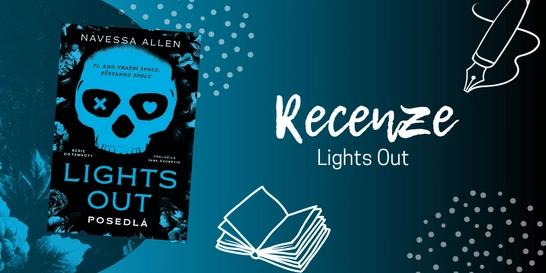
Už jste také někdy spadli do pasti algoritmu sociálních sítí? Znáte to....
Ne vždycky má člověk chuť vyrážet na nákup do obchodního centra. Někdy...
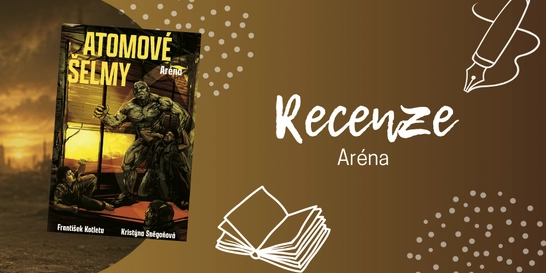
Pokud jste unavení ze všech těch varování, že světu hrozí atomová válka...
Kariérní životní šance nebo životní láska?
Alice dostane šanci napsat životopis slavné dědičky. O stejnou zakázku ale usiluje i nepříjemně přitažlivý držitel Pulitzerovy ceny Hayden Anderson…

Mohlo by vás zajímat
Zběsilá postapo jízda pokračuje
Hřbitov není místo pro slabé povahy ani pro romantické procházky za soumraku. Postapo nářez plný mutací, šílenství a bohů, kteří možná nikdy neměli být probuzeni.
Mohlo by vás zajímat
Zběsilý postapo svět. Tvrdá pravidla.
Druhý díl, který přitvrzuje. Sněgoňová & Kotleta servírují Arénu, kde přežijí jen ti nejtvrdší. Ostatní skončí jako krmivo.
Mohlo by vás zajímat
Hola, amigo!
Seznamte se s Eliškou, Hugem a sovou Listillo – a objevte španělštinu s úsměvem.
Mohlo by vás zajímat
Ať víte, kdy je matika, keramika i posilovna
Rozvrhy, kroužky, poznámky i důležité termíny pěkně pohromadě. Praktický školní kalendář pomůže sladit povinnosti i volný čas bez zbytečného zmatku.
Mohlo by vás zajímat
Rychlejší než blesk!
Rozšiřte svou klasickou sadu o Speed Pack a dodejte vašemu UNO nový život.
Mohlo by vás zajímat
Královna oslavy!
Cleo září ve zlatém outfitu a přináší monstrózní narozeninovou radost. Přidejte ji do své sbírky Monster High a rozjeďte párty!
Mohlo by vás zajímat
Malý kousek galerie na knížky, drobnosti i menší nákup
Plátěná taška Paperblanks Natsu díky pevné bavlněné látce unese až 7 kg.
Každý měsíc společně přečteme tisíce knih







Tento web je chráněn službou reCAPTCHA a platí pro něj Zásady ochrany soukromí a Smluvní podmínky. | © 2001–2026 DOBROVSKÝ s.r.o. Všechna práva vyhrazena.






 KnihyDobrovsky.cz
 knihydobrovsky
 @knihydobrovskycz
 @knihydobrovsky