
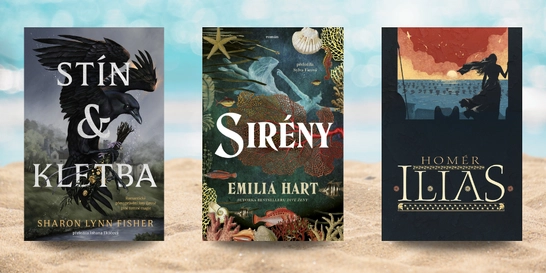
6 červencových novinek, které si přibalit na dovolenou
Slunce svítí, prázdniny jsou v plném proudu a spousta z nás si dopřává...



Kniha ( měkká vazba )


For 1,600 years Dioscorides (ca. AD 40–80) was regarded as the foremost authority on drugs. He knew mild laxatives and strong purgatives, analgesics for headaches, antiseptics for wounds, emetics to rid one of ingested poisons, chemotherapy agents for cancer treatments, and even oral contraceptives. Why, then, have his works remained obscure… Přejít na celý popis

5.0 z 5 hvězdiček
Voucher
5.0 z 5 hvězdiček
Voucher
5.0 z 5 hvězdiček
Voucher
5.0 z 5 hvězdiček
Voucher
For 1,600 years Dioscorides (ca. AD 40–80) was regarded as the foremost authority on drugs. He knew mild laxatives and strong purgatives, analgesics for headaches, antiseptics for wounds, emetics to rid one of ingested poisons, chemotherapy agents for cancer treatments, and even oral contraceptives. Why, then, have his works remained obscure in recent centuries? Because of one small oversight (Dioscorides himself thought it was self-evident): he failed to describe his method for organizing drugs by their affinities. This omission led medical authorities to use his materials as a guide to pharmacy while overlooking Dioscorides' most valuable contribution-his empirically derived method for observing and classifying drugs by clinical testing. Dioscorides' De materia medica, a five-volume work, was written in the first century. Here revealed for the first time is the thesis that Dioscorides wrote more than a lengthy guide book. He wrote a great work of science. He had said that he discovered the natural order and would demonstrate it by his arrangement of drugs from plants, minerals, and animals. Until John M. Riddle's pathfinding study, no one saw the genius of his system. Botanists from the eighteenth century often attempted to find his unexplained method by identifying the sequences of his plants according to the Linnean system but, while there are certain patterns, there remained inexplicable incoherencies. However, Dioscorides' natural order as set down in De materia medica was determined by drug affinities as detected by his acute, clinical ability to observe drug reactions in and on the body. So remarkable was his ability to see relationships that, in some cases, he saw what we know to be common chemicals shared by plants of the same and related species and other natural product drugs from animal and mineral sources. Western European and Islamic medicine considered Dioscorides the foremost authority on drugs, just as Hippocrates is regarded as the Father of Medicine. They saw him point the way but only described the end of his finger, despite the fact that in the sixteenth century alone there were over one hundred books published on him. If he had explained what he thought to be self-evident, then science, especially chemistry and medicine, would almost certainly have developed differently. In this culmination of over twenty years of research, Riddle employs modern science and anthropological studies innovatively and cautiously to demonstrate the substance to Dioscorides' authority in medicine.
0.0 z 5 0 hodnocení čtenářů
0× 5 hvězdiček 0× 4 hvězdičky 0× 3 hvězdičky 0× 2 hvězdičky 0× 1 hvezdička
Získejte přehled o vývoji ceny za posledních 60 dní.
Slunce svítí, prázdniny jsou v plném proudu a spousta z nás si dopřává...

Pokud vám seriál Heated Rivalry (Spalující rivalita) nedal spát a zhlédli...

Pokud nevíte, zda sáhnout po „nové Lukáškové“, váš osobní...

Tahle kniha se ke mně původně dostala jen proto, abych ji předala někomu z...

Nestihli jste naše žhavé literární odpoledne na Masarykově nádraží, nebo...

Po dočtení poslední knihy, která byla na můj vkus až příliš...
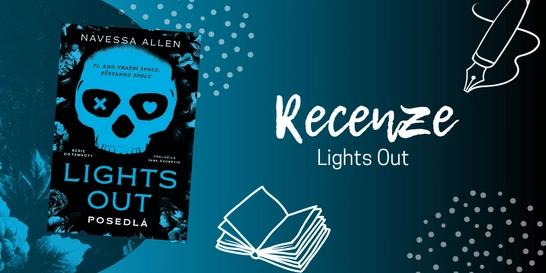
Už jste také někdy spadli do pasti algoritmu sociálních sítí? Znáte to....
Ne vždycky má člověk chuť vyrážet na nákup do obchodního centra. Někdy...
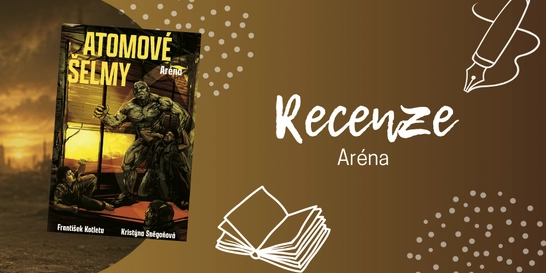
Pokud jste unavení ze všech těch varování, že světu hrozí atomová válka...
Nová gotická dark romance
Mrtví živé učí. Anatomie hříchu v rukou nebezpečně přitažlivého patologa

Mohlo by vás zajímat
Zběsilá postapo jízda pokračuje
Hřbitov není místo pro slabé povahy ani pro romantické procházky za soumraku. Postapo nářez plný mutací, šílenství a bohů, kteří možná nikdy neměli být probuzeni.
Mohlo by vás zajímat
Zběsilá postapo jízda pokračuje
Hřbitov není místo pro slabé povahy ani pro romantické procházky za soumraku. Postapo nářez plný mutací, šílenství a bohů, kteří možná nikdy neměli být probuzeni.
Mohlo by vás zajímat
Matika, co počítá s budoucností.
Učebnice, která propojuje čísla, logiku i technologie. Protože i vzorce jdou s dobou.
Mohlo by vás zajímat
Ať víte, kdy je matika, keramika i posilovna
Rozvrhy, kroužky, poznámky i důležité termíny pěkně pohromadě. Praktický školní kalendář pomůže sladit povinnosti i volný čas bez zbytečného zmatku.
Mohlo by vás zajímat
UNO, tvrdší než kdy předtím
Nelítostné karty, brutální postihy, škodolibá radost a taktické bitvy!
Mohlo by vás zajímat
Královna oslavy!
Cleo září ve zlatém outfitu a přináší monstrózní narozeninovou radost. Přidejte ji do své sbírky Monster High a rozjeďte párty!
Mohlo by vás zajímat
Malý kousek galerie na knížky, drobnosti i menší nákup
Plátěná taška Paperblanks Natsu díky pevné bavlněné látce unese až 7 kg.
Každý měsíc společně přečteme tisíce knih






Tento web je chráněn službou reCAPTCHA a platí pro něj Zásady ochrany soukromí a Smluvní podmínky. | © 2001–2026 DOBROVSKÝ s.r.o. Všechna práva vyhrazena.






 KnihyDobrovsky.cz
 knihydobrovsky
 @knihydobrovskycz
 @knihydobrovsky