

6 červencových novinek, které si přibalit na dovolenou
Slunce svítí, prázdniny jsou v plném proudu a spousta z nás si dopřává...



Kniha ( pevná vazba )
924 Kč s DPH
Jsme transparentní


One of the New York Times Book Review''s 10 Best Books of 2024A lost classic of Holocaust literature translated for the first time—from journalist, poet and survivor József Debreczeni"As immediate a confrontation of the horrors of the camps as IÂ’ve ever encountered. ItÂ’s also a subtle if startling meditation on what it is to attempt to… Přejít na celý popis

5.0 z 5 hvězdiček
Voucher
5.0 z 5 hvězdiček
Voucher
5.0 z 5 hvězdiček
Voucher
5.0 z 5 hvězdiček
Voucher
One of the New York Times Book Review''s 10 Best Books of 2024A lost classic of Holocaust literature translated for the first time—from journalist, poet and survivor József Debreczeni"As immediate a confrontation of the horrors of the camps as I’ve ever encountered. It’s also a subtle if startling meditation on what it is to attempt to confront those horrors with words…Debreczeni has preserved a panoptic depiction of hell, at once personal, communal and atmospheric." —New York Times"A treasure...Debreczeni’s memoir is a crucial contribution to Holocaust literature, a book that enlarges our understanding of ''life'' in Auschwitz." —Wall Street Journal"A literary diamond...A holocaust memoir worthy of Primo Levi." —The Times of LondonJózsef Debreczeni, a prolific Hungarian-language journalist and poet, arrived in Auschwitz in 1944; had he been selected to go left, his life expectancy would have been approximately forty-five minutes. One of the “lucky” ones, he was sent to the right, which led to twelve horrifying months of incarceration and slave labor in a series of camps, ending in the “Cold Crematorium”—the so-called hospital of the forced labor camp Dörnhau, where prisoners too weak to work awaited execution. But as Soviet and Allied troops closed in on the camps, local Nazi commanders—anxious about the possible consequences of outright murder—decided to leave the remaining prisoners to die in droves rather than sending them directly to the gas chambers.Debreczeni recorded his experiences in Cold Crematorium, one of the harshest, most merciless indictments of Nazism ever written. This haunting memoir, rendered in the precise and unsentimental style of an accomplished journalist, is an eyewitness account of incomparable literary quality. The subject matter is intrinsically tragic, yet the author’s evocative prose, sometimes using irony, sarcasm, and even acerbic humor, compels the reader to imagine human beings in circumstances impossible to comprehend intellectually. First published in Hungarian in 1950, it was never translated into a world language due to McCarthyism, Cold War hostilities and antisemitism. More than 70 years later, this masterpiece that was nearly lost to time will be available in 15 languages, finally taking its rightful place among the greatest works of Holocaust literature.
0.0 z 5 0 hodnocení čtenářů
0× 5 hvězdiček 0× 4 hvězdičky 0× 3 hvězdičky 0× 2 hvězdičky 0× 1 hvezdička
Získejte přehled o vývoji ceny za posledních 60 dní.
Slunce svítí, prázdniny jsou v plném proudu a spousta z nás si dopřává...

Pokud vám seriál Heated Rivalry (Spalující rivalita) nedal spát a zhlédli...
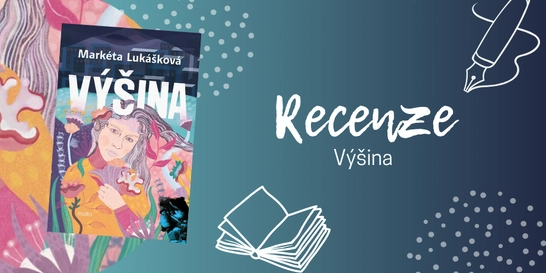
Pokud nevíte, zda sáhnout po „nové Lukáškové“, váš osobní...

Tahle kniha se ke mně původně dostala jen proto, abych ji předala někomu z...

Nestihli jste naše žhavé literární odpoledne na Masarykově nádraží, nebo...
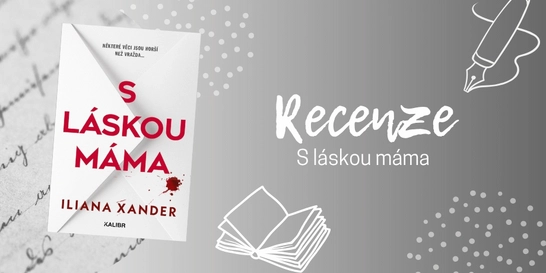
Po dočtení poslední knihy, která byla na můj vkus až příliš...
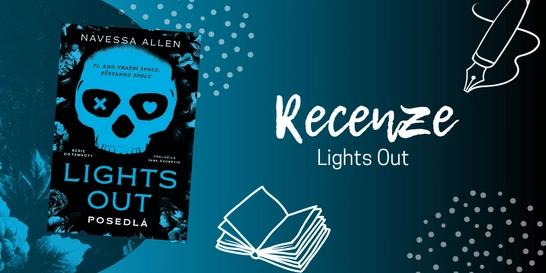
Už jste také někdy spadli do pasti algoritmu sociálních sítí? Znáte to....

Ne vždycky má člověk chuť vyrážet na nákup do obchodního centra. Někdy...
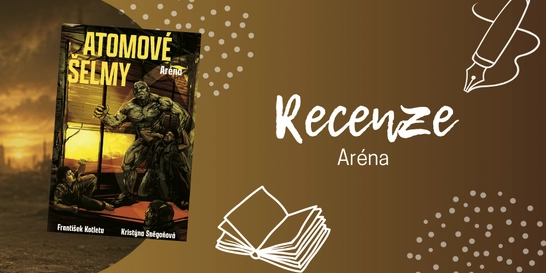
Pokud jste unavení ze všech těch varování, že světu hrozí atomová válka...
924 Kč s DPH
Jsme transparentní
Každý konec je začátek něčeho nového
Po smrti manžela odjíždí Pixie na francouzský zámek, který spolu koupili. Místo nového začátku tam ale objeví tajemství, které jí převrátí celý život.

Mohlo by vás zajímat
Zběsilá postapo jízda pokračuje
Hřbitov není místo pro slabé povahy ani pro romantické procházky za soumraku. Postapo nářez plný mutací, šílenství a bohů, kteří možná nikdy neměli být probuzeni.
Mohlo by vás zajímat
Zběsilý postapo svět. Tvrdá pravidla.
Druhý díl, který přitvrzuje. Sněgoňová & Kotleta servírují Arénu, kde přežijí jen ti nejtvrdší. Ostatní skončí jako krmivo.
Mohlo by vás zajímat
Hola, amigo!
Seznamte se s Eliškou, Hugem a sovou Listillo – a objevte španělštinu s úsměvem.
Mohlo by vás zajímat
Ať víte, kdy je matika, keramika i posilovna
Rozvrhy, kroužky, poznámky i důležité termíny pěkně pohromadě. Praktický školní kalendář pomůže sladit povinnosti i volný čas bez zbytečného zmatku.
Mohlo by vás zajímat
UNO, tvrdší než kdy předtím
Nelítostné karty, brutální postihy, škodolibá radost a taktické bitvy!
Mohlo by vás zajímat
Královna oslavy!
Cleo září ve zlatém outfitu a přináší monstrózní narozeninovou radost. Přidejte ji do své sbírky Monster High a rozjeďte párty!
Mohlo by vás zajímat
Barevná zábava pro malé umělce
Ideální aktivita na klidné odpoledne, deštivý den nebo kreativní chvilku bez obrazovek.
Každý měsíc společně přečteme tisíce knih







Tento web je chráněn službou reCAPTCHA a platí pro něj Zásady ochrany soukromí a Smluvní podmínky. | © 2001–2026 DOBROVSKÝ s.r.o. Všechna práva vyhrazena.






 KnihyDobrovsky.cz
 knihydobrovsky
 @knihydobrovskycz
 @knihydobrovsky