

6 červencových novinek, které si přibalit na dovolenou
Slunce svítí, prázdniny jsou v plném proudu a spousta z nás si dopřává...



Kniha ( měkká vazba )
1 154 Kč s DPH
Jsme transparentní


The scholarly inquiry of the causes of Austrias defeat in 1866 is almost asold as the war against rising Prussia itself. Already in the immediateaftermath of the conflict, considerable energy was devoted to identifying thesources of failure. At the time, responsibility was attributed to themisjudgements of the high command, and above all to… Přejít na celý popis

5.0 z 5 hvězdiček
Voucher
5.0 z 5 hvězdiček
Voucher
5.0 z 5 hvězdiček
Voucher
5.0 z 5 hvězdiček
Voucher
The scholarly inquiry of the causes of Austrias defeat in 1866 is almost asold as the war against rising Prussia itself. Already in the immediateaftermath of the conflict, considerable energy was devoted to identifying thesources of failure. At the time, responsibility was attributed to themisjudgements of the high command, and above all to the commander-in-chief ofthe k.k. North Army, Feldzeugmeister Ludwig von Benedek. This one-sidedinterpretation, together with the broader debate surrounding the so-calledquestion of guilt (Schuldfrage), was later treated with increasing nuance. During the twentieth century, historians sought the origins of the defeat atboth political and military levels. From a military perspective, research hasprimarily examined developments in armaments technology, the (strategic-)operational miscalculations of the campaign, and the structural deficiencies ofthe k.k. Army, which stemmed in large part from severe budgetary restrictions. By contrast, comparatively little attention has been devoted to battle tactics. In 1866, Austria entered the war against Prussia with a tactical doctrinenearly sixty years old, based on an overestimation of the historical traditionof military values. This volume examines precisely this neglected aspect. Within the broadercontext of armed conflicts since the Revolutionary and Napoleonic Wars againstFrance, it introduces and systematically analyses Austrian military doctrine,with particular emphasis on tactics. The study critically examines the outdatedsystems of recruitment and training, while also considering the related fieldsof uniforms and equipment, soldiers daily life, and military communication. Theinvestigation, however, focuses primarily on two main themes: first, theAustrians disdain for the employment of firearms; and second, their unshakeablebelief in the invincibility of their own close-order battle formations. Thebayonet charge, in particular, was accorded a special and almost emblematicstatus. The volume further explores the interaction between the various arms inwartime and highlights the complex interrelationship between strategic andtactical concepts. It becomes clear that the k.k. Austrian Army was among thevery last of the truly Napoleonic forces; an army whose admirable courage couldno longer compensate for hopelessly outdated infantry tactics in the age ofindustrialised warfare.
0.0 z 5 0 hodnocení čtenářů
0× 5 hvězdiček 0× 4 hvězdičky 0× 3 hvězdičky 0× 2 hvězdičky 0× 1 hvezdička
Získejte přehled o vývoji ceny za posledních 60 dní.
Slunce svítí, prázdniny jsou v plném proudu a spousta z nás si dopřává...

Pokud vám seriál Heated Rivalry (Spalující rivalita) nedal spát a zhlédli...

Pokud nevíte, zda sáhnout po „nové Lukáškové“, váš osobní...

Tahle kniha se ke mně původně dostala jen proto, abych ji předala někomu z...

Nestihli jste naše žhavé literární odpoledne na Masarykově nádraží, nebo...
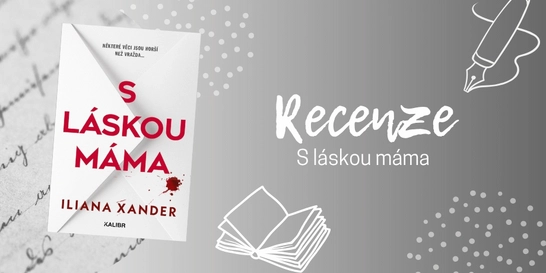
Po dočtení poslední knihy, která byla na můj vkus až příliš...

Už jste také někdy spadli do pasti algoritmu sociálních sítí? Znáte to....
Ne vždycky má člověk chuť vyrážet na nákup do obchodního centra. Někdy...
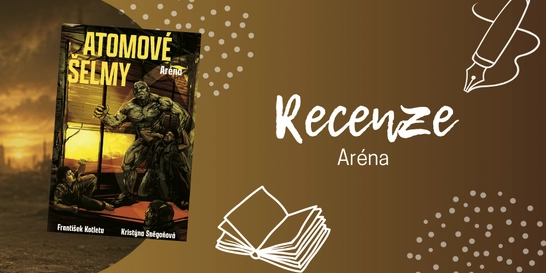
Pokud jste unavení ze všech těch varování, že světu hrozí atomová válka...
1 154 Kč s DPH
Jsme transparentní
Kariérní životní šance nebo životní láska?
Alice dostane šanci napsat životopis slavné dědičky. O stejnou zakázku ale usiluje i nepříjemně přitažlivý držitel Pulitzerovy ceny Hayden Anderson…

Mohlo by vás zajímat
Nový román Viktorie Hanišové
Když se její otec upálí před Poslaneckou sněmovnou, začne Lada hledat důvody jeho činu.
Mohlo by vás zajímat
Zběsilý postapo svět. Tvrdá pravidla.
Druhý díl, který přitvrzuje. Sněgoňová & Kotleta servírují Arénu, kde přežijí jen ti nejtvrdší. Ostatní skončí jako krmivo.
Mohlo by vás zajímat
Matika, co počítá s budoucností.
Učebnice, která propojuje čísla, logiku i technologie. Protože i vzorce jdou s dobou.
Mohlo by vás zajímat
Ať víte, kdy je matika, keramika i posilovna
Rozvrhy, kroužky, poznámky i důležité termíny pěkně pohromadě. Praktický školní kalendář pomůže sladit povinnosti i volný čas bez zbytečného zmatku.
Mohlo by vás zajímat
UNO, tvrdší než kdy předtím
Nelítostné karty, brutální postihy, škodolibá radost a taktické bitvy!
Mohlo by vás zajímat
Královna oslavy!
Cleo září ve zlatém outfitu a přináší monstrózní narozeninovou radost. Přidejte ji do své sbírky Monster High a rozjeďte párty!
Mohlo by vás zajímat
Kapitola u bazénu? Klidně.
Vodotěsné provedení vám dovolí číst u vody, na pláži i ve vaně bez zbytečných obav.
Každý měsíc společně přečteme tisíce knih






Tento web je chráněn službou reCAPTCHA a platí pro něj Zásady ochrany soukromí a Smluvní podmínky. | © 2001–2026 DOBROVSKÝ s.r.o. Všechna práva vyhrazena.






 KnihyDobrovsky.cz
 knihydobrovsky
 @knihydobrovskycz
 @knihydobrovsky